


Winter Weather Driving Tips
Winter weather like snow, sleet or ice, creates extremely dangerous road conditions. In 2024, there were 365 fatal traffic crashes and an estimated 24,383 injury crashes that occurred when there were snow/sleet conditions at the time of the crash. Preparing yourself – and your vehicle – is key to staying safe on the road this winter.
Driving in Winter Weather
The Basics
 Slow down: It’s harder to control or stop your vehicle on a slick or snow-covered surface. In fact, in 2024, an estimated 131,698 police-reported traffic crashes occurred during snow/sleet conditions. On the road, increase your following distance enough so that you’ll have plenty of time to stop for vehicles ahead of you.
Give snowplows room: Avoid crowding or traveling directly beside a plow. Snow plows travel slowly, make wide turns, stop often, overlap lanes, and exit the road frequently. If you find yourself behind a snowplow, stay far enough behind it and use caution if you decide to pass.
What to Do in an Emergency
 If your vehicle is stopped or stalled in wintry weather, stay focused on yourself and your surroundings.
- Stay with your vehicle: Don’t overexert yourself.
Make your car visible: Put bright markers on the antenna or windows and keep the interior dome light on.
Prevent carbon monoxide poisoning: Clear any snow from your exhaust pipe and run your car only sporadically — just long enough to stay warm. Don’t run your car for long periods of time with the windows up or in an enclosed space.
Changes You May Notice
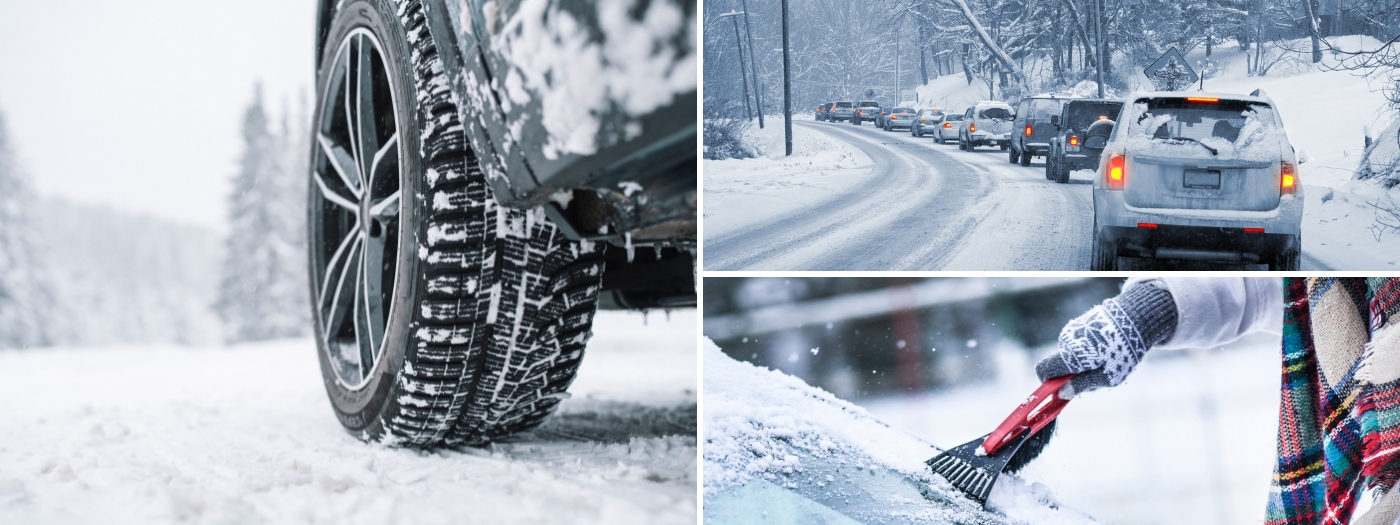
Tires
 As the outside temperature drops, so does tire inflation pressure. Make sure each tire is filled to the vehicle manufacturer’s recommended inflation pressure, which is in your owner’s manual and on a label located on the driver's side door frame. Do not inflate your tires to the pressure listed on the tire itself. That number is the maximum pressure the tire can hold, not the recommended pressure for your vehicle.
Some other tire safety tips:
- Inspect tires often: It’s best to check the tires when they’re cold, meaning that they have not been driven on for at least three hours.
- Address uneven wear: Look closely at your tread and replace tires that have uneven wear or insufficient tread.
- Monitor tread depth: Make sure your tread is at least 2/32 of an inch on all tires. Use the penny test to determine when it’s time to replace your tires:
- Place a penny in the tread with Lincoln's head upside down.
- If you can see the top of Lincoln's head, your vehicle needs new tires.
- Uneven wear across the tires’ tread indicates your tires need rotation and/or your wheels need to be aligned.
- Consider installing snow tires: Before buying new tires, visit NHTSA’s Tires page to review tire safety ratings. The Uniform Tire Quality Grading System (UTQGS) lets you compare tire treadwear, traction performance, and temperature resistance.
Car Seats
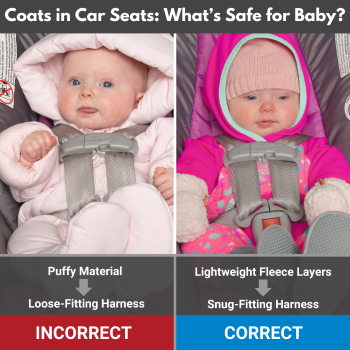 In colder weather, parents typically dress their children in winter coats. But it’s important to know that heavy coats can interfere with the proper harness fit on a child in a car seat. When your child will be secured in a car seat, pick thin, warm layers, and place blankets or coats around your child after the harness is snug and secure for extra warmth.
- Car Seats and Booster Seats: Install car seats correctly so that all children riding with you are in the appropriate seat for their age and size. See NHTSA’s child passenger safety recommendations to find the right seat for your child’s age and size.
- Car Seat Inspection: Visit NHTSA’s Child Car Seat Inspection Station Locator to find a free car seat inspection station near you or to get information on virtual inspection options.
Batteries
 When the temperature drops, so does battery power. In cold weather, gasoline and diesel engines take more battery power to start, and electric and hybrid-electric vehicles’ driving range can be reduced. Have a mechanic check your battery, charging system, belts, and for any other needed repairs or replacements.
Safety Technologies
 Familiarize yourself with the vehicle’s safety technologies and how they perform in wintry conditions. Know whether your vehicle has an antilock brake system and learn how to use it properly.
- Antilock brake systems: Prevent your wheels from locking up during braking. If you have antilock brakes, apply firm, continuous pressure to the brake pedal.
- Non-antilock brake systems: Pump your brakes if you feel your wheels starting to lock up.
For more information on driver assistance technologies, visit NHTSA.gov/DriverAssistTech.
Floor Mats
 Due to slushy winter conditions, you might consider switching out your usual floor mats for thicker material or rubbery ones. Improperly installed floor mats could interfere with the accelerator or brake pedal, increasing the risk of a crash. Follow the manufacturer’s instructions for mat installation and use retention clips to secure the mats. Always use mats that are the correct size and fit for your vehicle.
Preparing Your Vehicle
Lights
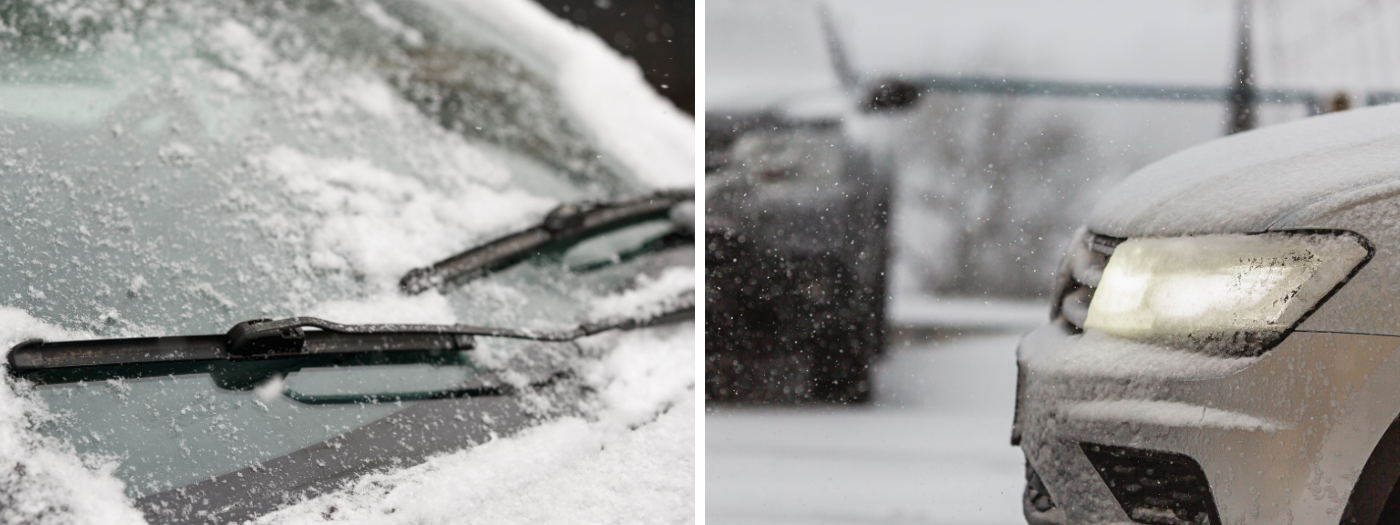
 Check your headlights, brake lights, turn signals, emergency flashers and interior lights. Be sure to also check your trailer brake lights and turn signals, if necessary.
Windshield Wipers
 You can quickly go through a lot of windshield wiper fluid in a single snowstorm. Before the winter season, make sure your vehicle’s reservoir is full of high-quality “winter” fluid with de-icer. Test your defrosters and windshield wipers, replacing any worn blades. Consider installing heavy-duty winter wipers if you live in an area that gets a lot of snow and ice.
Cooling System
 Make sure you have enough coolant in your vehicle, and that it meets the manufacturer’s specifications. See your vehicle owner’s manual for recommendations. Check the cooling system for leaks, test the coolant, and drain or replace the old coolant.
You may also want to visit your mechanic for a tune-up and ask them to check for leaks, badly worn hoses, or other needed parts, repairs, and replacements.
Before You Go
Stock Your Vehicle
 Carry items in your vehicle to handle common winter driving-related tasks, and supplies you might need in an emergency, including:
- Snow Removal: A snow shovel, broom, and ice scraper.
- Traction: Abrasive material like sand or kitty litter in case your vehicle gets stuck.
- Safety: Jumper cables, a flashlight, and warning devices (flares or emergency markers).
- Medical Supplies: A first aid kit, including a tourniquet, and any necessary personal medicines.
- Comfort & Survival: Blankets for cold protection, bottled water, and non-perishable food.
- Communication: A cell phone and a car charger.
Gas Up or Plug It In
Keep your gas tank close to full whenever possible.
 Similarly, in the case for electric and hybrid-electric vehicles, it is important to keep your battery charged and reduce battery drain. In general, batteries with liquid electrolyte have reduced energy storage and delivery capabilities at lower temperatures, which is why most vehicle batteries use battery power for self-heating in low temperatures. You can minimize battery drain from heating by keeping your electric vehicle as warm as possible in freezing temperatures. A common way to do this is plugging your vehicle in at night during the winter – keeping the battery in its optimal temperature ranges.
Plan Your Route
 Check your local weather and traffic reports before heading out. If your roads are not in good shape, consider postponing non-essential travel until they are cleared. If you must go out, make sure you are prepared in case of travel delays. For long road trips during winter weather, consider leaving early or changing your departure to avoid being on the roads during the worst of the storm.
Always review directions and maps before you go, even if you use a GPS, and let others know your route and ETA. On longer trips, plan enough time to stop to stretch, get something to eat, check your phone, and change drivers or rest if you feel drowsy.
Year-Round Safety
Check for Recalls
 NHTSA's Recalls Look-up Tool lets you enter a vehicle identification number (VIN) or license plate to quickly learn if your vehicle has a critical safety issue that has not been repaired, and how to get that repair done for free. You can also download NHTSA’s SaferCar app and enter your vehicle and equipment information. If a recall is issued, you’ll get an alert on your phone.
Avoid Risky Driving Behaviors
 You know the rules: Do not text or drive distracted; obey posted speed limits; and always drive sober. Both alcohol and drugs can impair safe and responsible driving by affecting things such as coordination, judgment, perception, and reaction time. And remember: always wear your seat belt.